
Campaigners Ask Council to Stop Spraying Parks
Campaigners from Leicester Friends of the Earth are asking the City Council to stop using weedkiller in parks and green spaces.
Research has linked exposure to pesticides to many health issues, including cancers, Alzheimer’s, asthma, diabetes and infertility.
In 2020 the manufacturer of glyphosate, the weedkiller used in Leicester, paid out over $10 billion (£7.265 billion) to settle lawsuits with people who developed cancer as a result of using their product. Children are particularly vulnerable to pesticide poisoning because their skin is more permeable and they spend more time playing close to the ground.
As well as being harmful to human health, pesticides are also damaging to the environment. A single application of a pesticide can remain present in the soil for three years. They affect the whole plant, including its pollen and nectar, which means they are taken up by pollinators such as bees.
Melanie Wakley from Leicester Friends of the Earth said:
“Given the vital role that insects play in our ecosystems, and the importance of nature in helping to tackle the climate emergency, it seems imperative that the Council stops spraying its land with substances that are so harmful to insects and human health.”
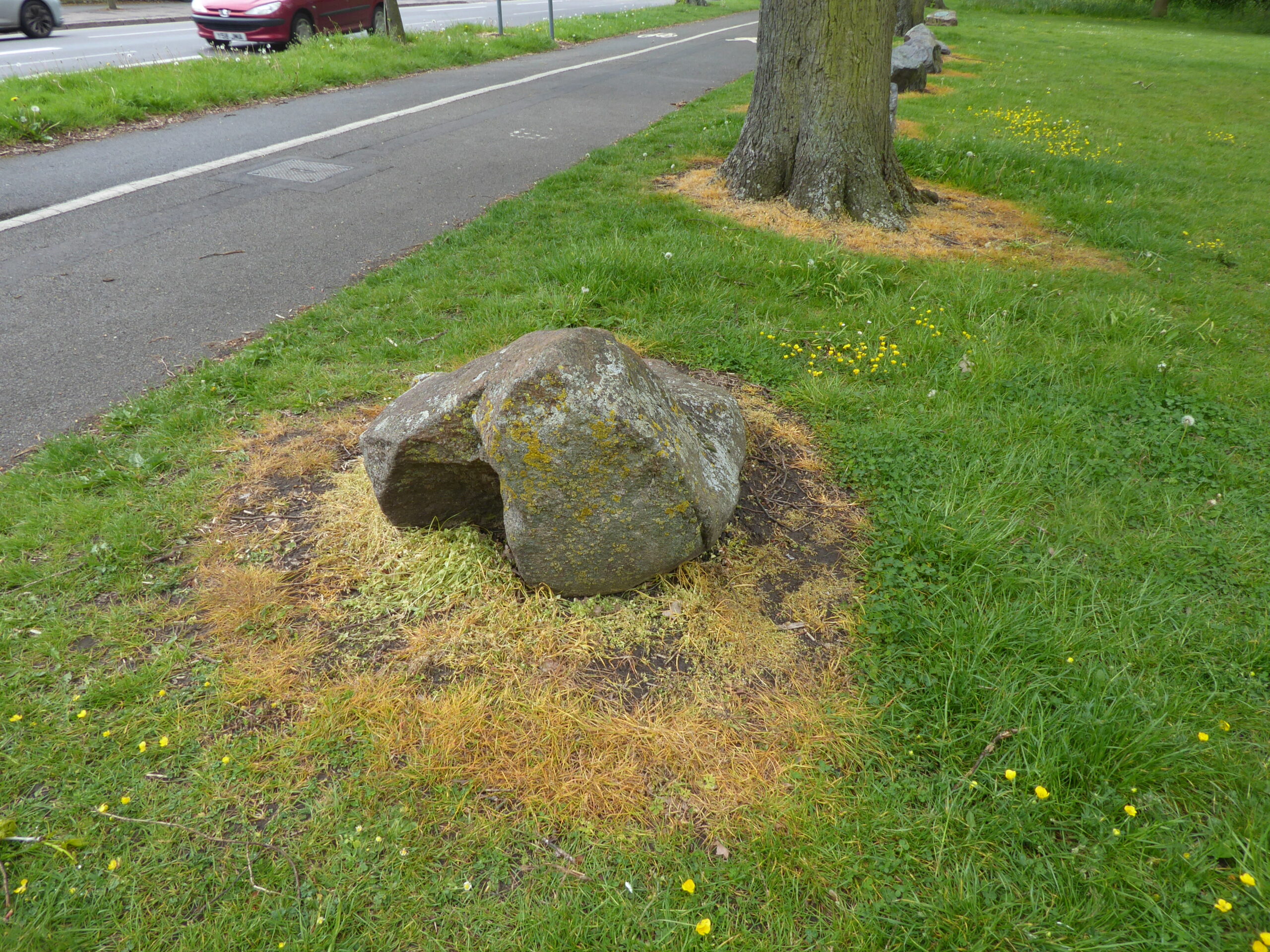
The campaigners have written to Councillor Adam Clarke, Deputy City Mayor. He responded that the Council have been “working very hard to try and reduce their use of pesticides but they cannot stop using these products altogether”. However, Leicester Friends of the Earth believe that weedkiller is still being used unnecessarily in the city’s parks and green spaces. They collected photos of areas around rocks, trees and fence posts that have been sprayed with weedkiller.
Melanie Wakley commented:
“We recognise that it is necessary to remove plants from pavements to stop people slipping but why spray parks and green spaces? Does it really matter if wild plants grow around trees or fence posts? Surely we need more space for wildlife in our city. More plants mean more insects, more birds, more life!”
The campaigners have now launched an online petition asking the City Council to change their policy and stop using pesticides in parks and green spaces. They are planning to present it later this year.