
A Psychological and Sociological Understanding of Litter
 If you ask people “is litter a good thing or do you throw litter?” Most people will reply that it is a bad thing and no they don’t do it. Here we meet a discrepancy between how people see themselves and the reality we see on our pavements and in our hedgerows.
My role as a psychotherapist often involves me exploring the contradiction between stated aim and parts of the Self or Society that undermine or actively work against achieving the stated aim.
I am bringing some of that thinking to bear on the topic of litter.
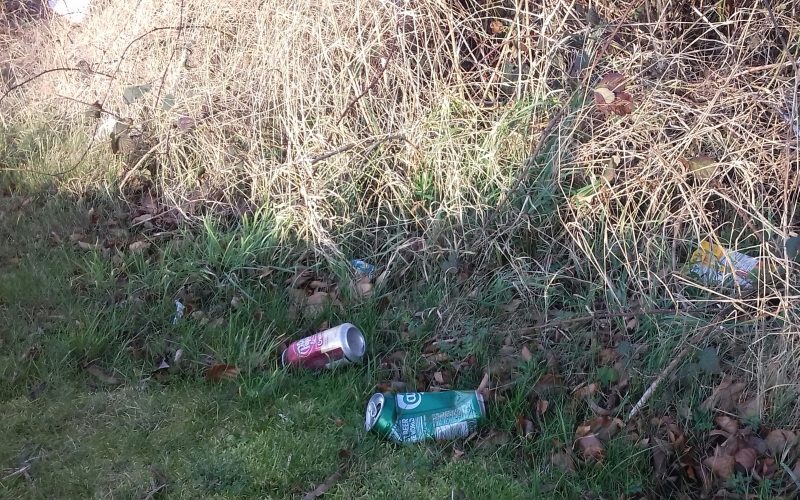
Litter can be categorised, into accidental, for instance flyaway litter on a windy day when the recycling bins are being collected. Deliberate, as in the casual tossing of a can, bottle or wrapper onto the pavement or verge. Or pre-meditated as in fly-tipping.
Litter is a health and safety hazard, for instance dog poo to children. Single use plastics, glass and cans can be harmful to both children and animals, both domesticated and wild.
Intuitively, we know when we see litter that we are killing the planet. We know that plastics damage the biosphere of our waterways, rivers and oceans. However there seems to be a disconnect between the global awareness of damaging oceans and the local damaging impact of urban and rural litter. They are all connected and part of the same problem.
Looking after our environment can only be done from a position of growing wisdom, education and awareness. When we were younger, some of us can remember our parents encouraging or nagging us to do chores around the house. This is part of developing the social contract; we all live here. Let’s all pull our weight to make it a nice place to be. If these values are internalised by children they are likely to go into the wider world respectful of others’ needs as well as their own.
Young children don’t automatically understand this. They have to be taught to develop a wise mind that thinks beyond themselves. Parents and adults in general are role models to children. Children do as they see rather than do as they’re told. Seeing adults take their litter home or using litter bins models this behaviour.
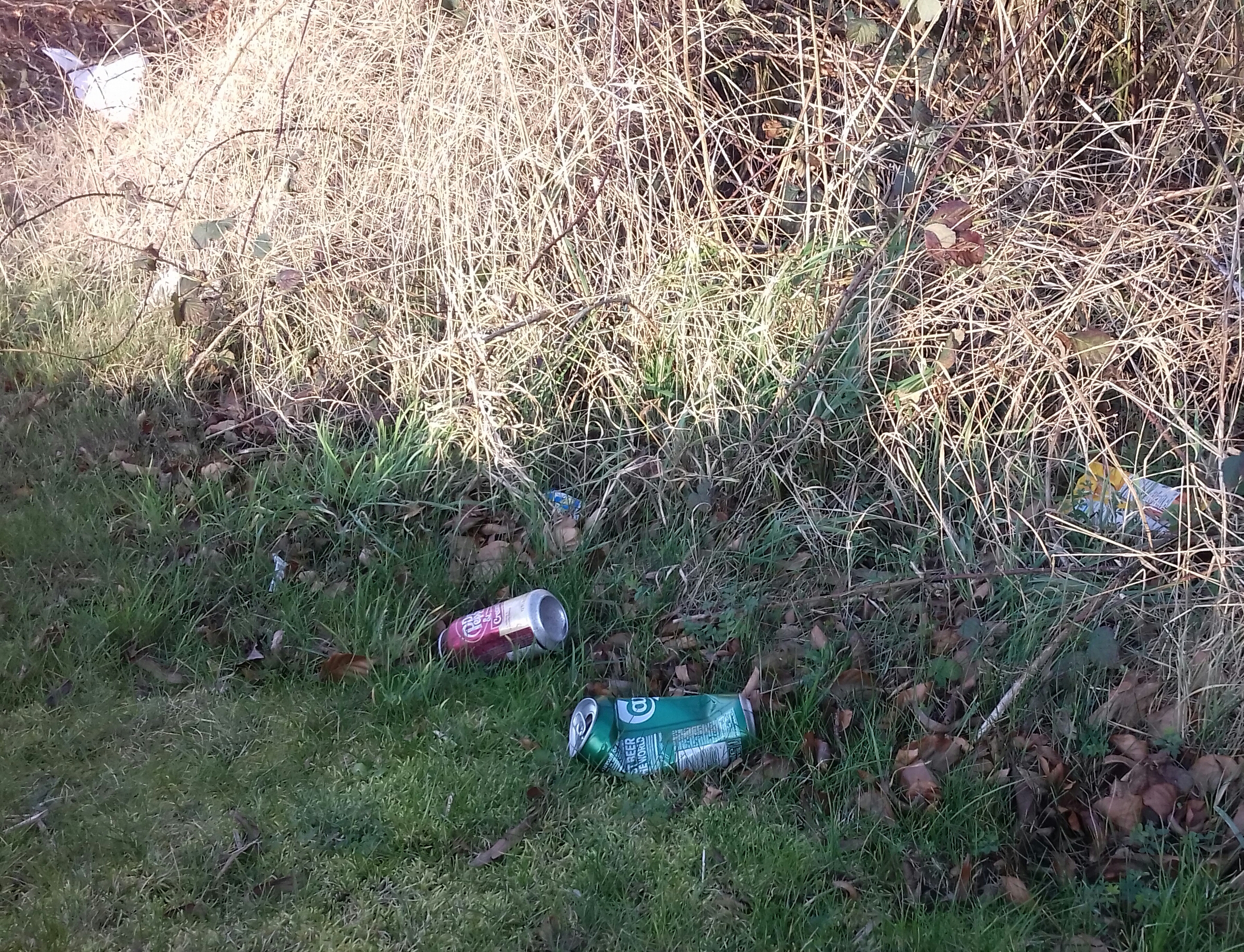 Adolescence, and interestingly the neuroscience indicates the adolescent mind continues into the late 20’s, is often typified by; risk taking behaviours, identifying with your peer group and rebelling against authority to some degree. Dropping litter ticks all these boxes for adolescents. When this is combined with alcohol consumption then the risk of not being socially minded increases.
Adolescents are very keenly aware of what ‘influencers’ from their peer group are promoting. Key placed charismatic, environmentally aware young people can have a huge impact of changing the outlook of their peers. Creating local structures and roles to support young influencers such as School Litter Monitors, a column in the Syston Town News, a place on the Parish Council to support young people’s concerns could have a huge impact on promoting the value of being environmentally aware and responsible.
By and large when people are over 40 years old, they become socially responsible. However there does seem to be a small exception to this when it comes to dog poo. It only takes a small number of dogs being walked twice daily ‘to do their business’ for it to become a significant problem on particular dog walking routes. For the rest of us it becomes an obstacle course with dire consequences if you misplace your foot. Literally putting your foot in it. It does seem to be a remnant of anti-social behaviour in some of our older citizens. A protest perhaps, a communication that life feels crap, yet another financial outlay to buy poo bags on an already tight budget. Perhaps something physical if they are elderly, not being able to bend down to pick it up
Having a sense of belonging generally inspires respectful engagement with others and our environment. If people experience that they don’t belong or feel marginalised then they can understand this as no one cares about them so why should they look after anything.
Fly tipping is a particularly sociopathic behaviour, generally involving driving to someone else’s community and dumping industrial levels of rubbish into a community that they have no investment in. Sociopathic in this sense means having no regard to the harm or damage done to another individual or community. This regularly occurs on Ridgemere Lane.
Litter has many levels of meaning to it; the personal development of the person that creates it, a symptom perhaps of a breakdown in our social contract including common shared values of what it means to live in Syston and it also raises the question of our relationship to our environmental Earth Mother, Gaia. We can’t keep on killing her.
I’ve outlined a view on the various levels around the issue of littering and some possible underlying dynamics. If readers would like to adopt a problem-solving approach and send in suggestions, then perhaps we can develop a community-owned strategy for dealing with litter.
Martin Bhurruth is a psychotherapist, group analyst and has just retired from the NHS role of Clinical Lead of a Therapeutic Community.