Tales From The Plot February 2026
Grizz/Richard is still in hospital, his 2nd hospital since September. Soon to go to a 3rd if he can stabilise. Amazing NHS staff in both so far continue working their daily magic.
2026.
There are things to be getting on with despite the chill of winter months. Richards plot (visited daily) is still yielding nicely. He is certainly a practised hand at planning ahead for his family throughout the year. There’s still a combination of me putting his produce or food made from it, on the family doorstep, or them harvesting crops themselves as time and inclination allows.
They will be fuelled by brussel sprouts for weeks.
The chutney I made, has yet to be tasted and a verdict given.. (best to leave it a month before use). I did a Mary Berry recipe, substituting milder paprika for chilli..so its likely to be rather a hot chutney for spicy tastebuds. I had originally planned a green tomato version, with surplus of the unripe, but a friend had told me of the brown paper bag ripening method – and it worked 100%. That flabbered my gaster! So, many pounds of perfectly ripened tomatoes went back to Richards family and I added ingredients (aubergine, peppers, onions, courgette) to pad out tomatoes.
Richard starts his early broad beans round about now. I wait a few weeks and buy mine locally as plug plants. He has more windowsills and a greenhouse.
Starting chilli plants from seed at home in Jan / Feb is useful, as they need a long growing season and they forward the mind to warmer months. Each successful plant started now, then planted out in May will potentially yield many fruits. So a whole packet of seed could make enough for fresh use and drying, as well as making great gifts for others to grow on once established.
I start my parsnip seeds in toilet roll inners, which bypasses their dislike of being transplanted due to root disturbance later in February. Notoriously slow to germinate, I shared some of my surplus with Richard last year. His did very well.
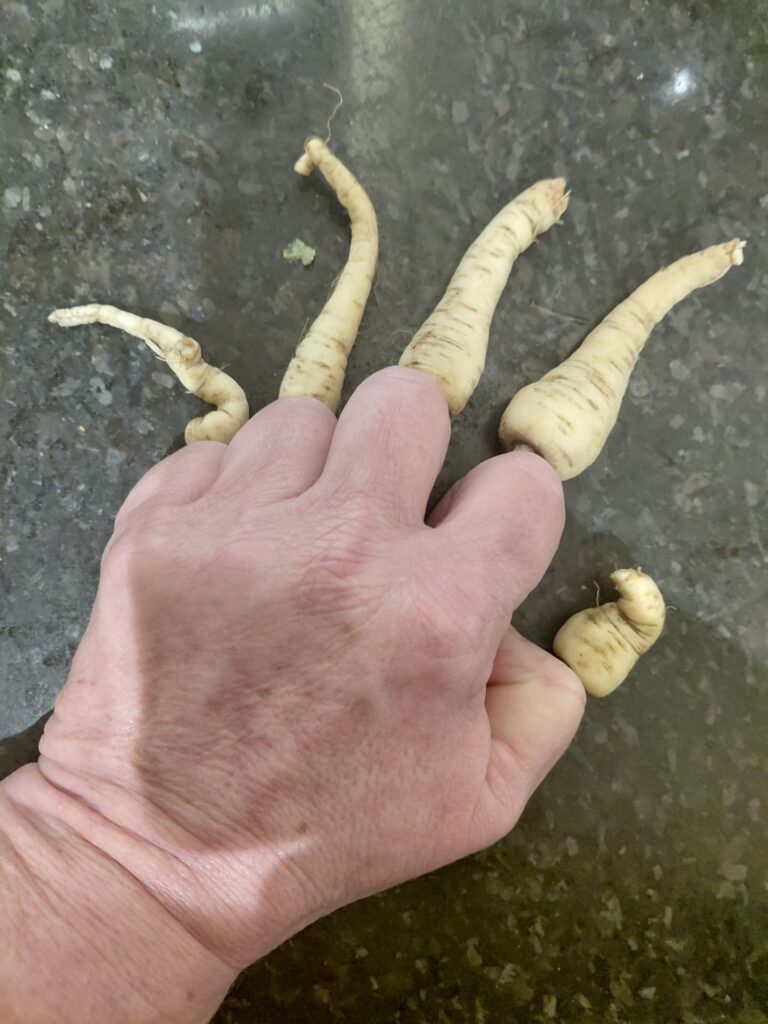
I’m harvesting my parsnips on days free of frosty ground, though am not expecting much from them after the drought of last summer. The leaves weren’t looking impressive going into Autumn. I might be in for some comedy-parsnips.
What I’ve learnt from parsnips over the years is that the foliage can be deceptive. Lots of top growth can look promising but offer puny parsnips below, then a plant nearby may appear the same, but the rewarding parsnip size can make me reach for my camera and scales. Whatever the size or kinky shapes we produce, experience tells us they taste better after frosts that sweeten the flavour.. and small is beautiful too.
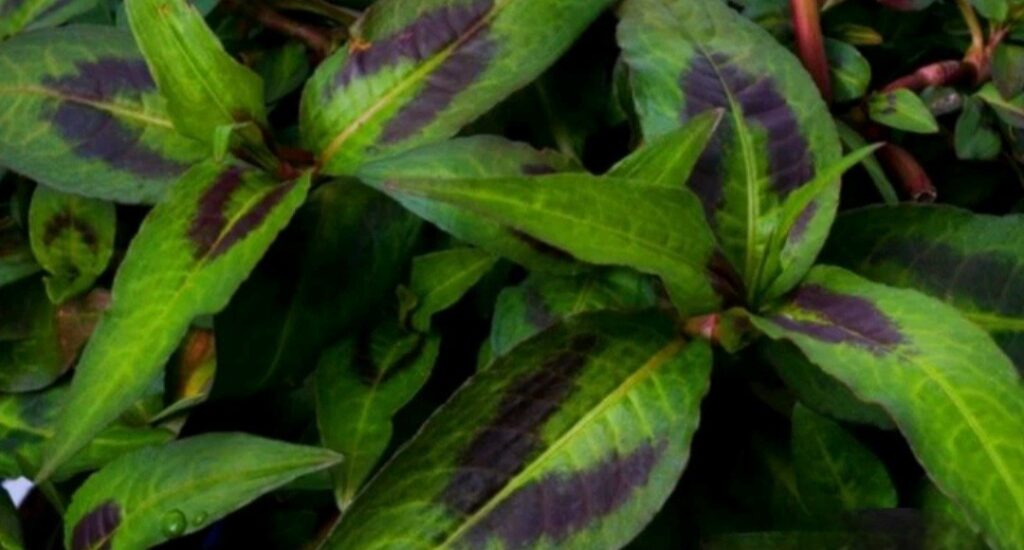
I am experimenting with Vietnamese Coriander Persecaria odorata (sometimes called Vietnamese/ Thai mint, Rau ram or Laska leaf – actually its not biologically related to the common names of mint or coriander). Over the festive season I caught up with episodes of ‘Gardeners Question Time’ on radio 4 and learnt that others are discovering this decorative variety for the first time too. Allotments are great for traditional and new ideas to grow.
This is a tender, moisture loving perennial herb, now potted and overwintering at home. Its a lemony, aromatic, lance shaped leaf used in South Asian cooking.. added late to recipes. Young leaves are coriander-like in flavour, older leaves become more spicy. It is less likely to bolt than familiar coriander.
NB Never despair if traditional coriander bolts, because our eating loss is the pollinators gain, as our bees love white coriander flowers. Once I discovered this, I have grown enough for them too. We can also harvest the tasty seeds.
Kate H. Syston Allotments