
This Month in the Garden September 2021 with Derek Cox
The genus Convolvulous comprises both perennial climbers and a number of dwarf shrubs. Most people will know the perennial native bindweed, which is often seen growing on hedges throughout the UK.
 This Convolvulous produces its large white trumpet-like flowers during the early summer and if it was difficult to grow it would be found in many gardens instead of being despised as a weed.
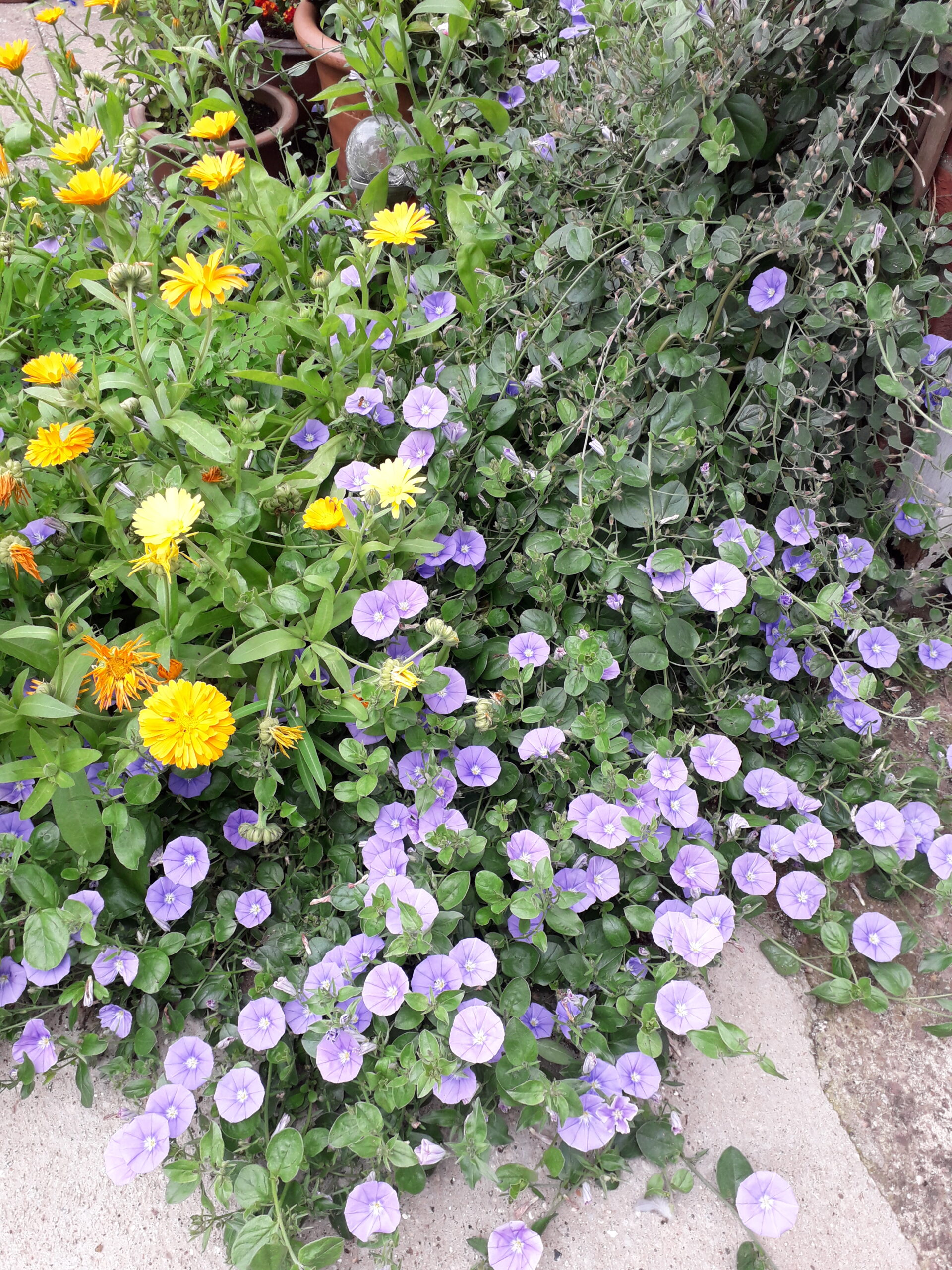
On a visit to my niece Kate at Queniborough I came across Convolvulus sabaticus, which she had previously purchased as Convolvulous maritianicus. See picture left.
This is also a rampant climber but it differs in its large lavender-pink trumpet shaped flowers and flowers continually from June until late August. Having seen Kate’s plant I would say, unless you have the room to grow it, plant it in a large container with an obelisk.
I also grow Convolvulous cneorum in a 25 litre ornamental container. This is a dwarf evergreen shrub with small silky silver leaves and white tinted pink trumpet shaped flowers during May. This needs full sun, but it hates wet feet and cold winds.
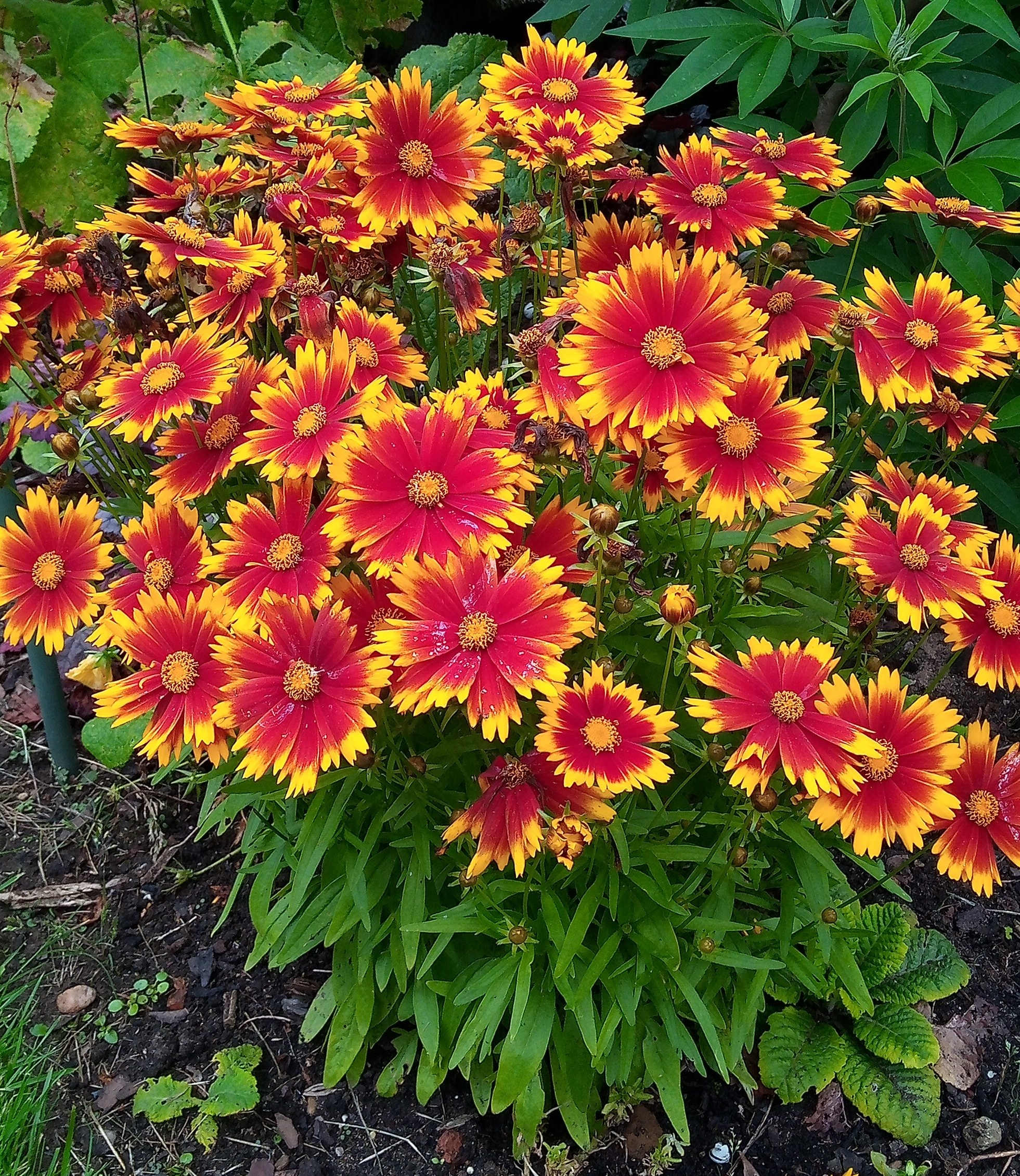 Two years ago I purchased Gailardia ‘Kobold’, pictured left, which I planted in a border close to my terrace. This is a superb clump forming perennial, which from late June until early autumn, if dead headed, will produce a mass of yellow-red eyed flowers on 12/18 inch (30/45cm) sturdy stems. This is a perennial which should be in every garden as it seems to liven up even a dull day.
In the past I have mentioned Yucca flaccida ‘Variegata’, pictured right, mainly for its rosette of yellow variegated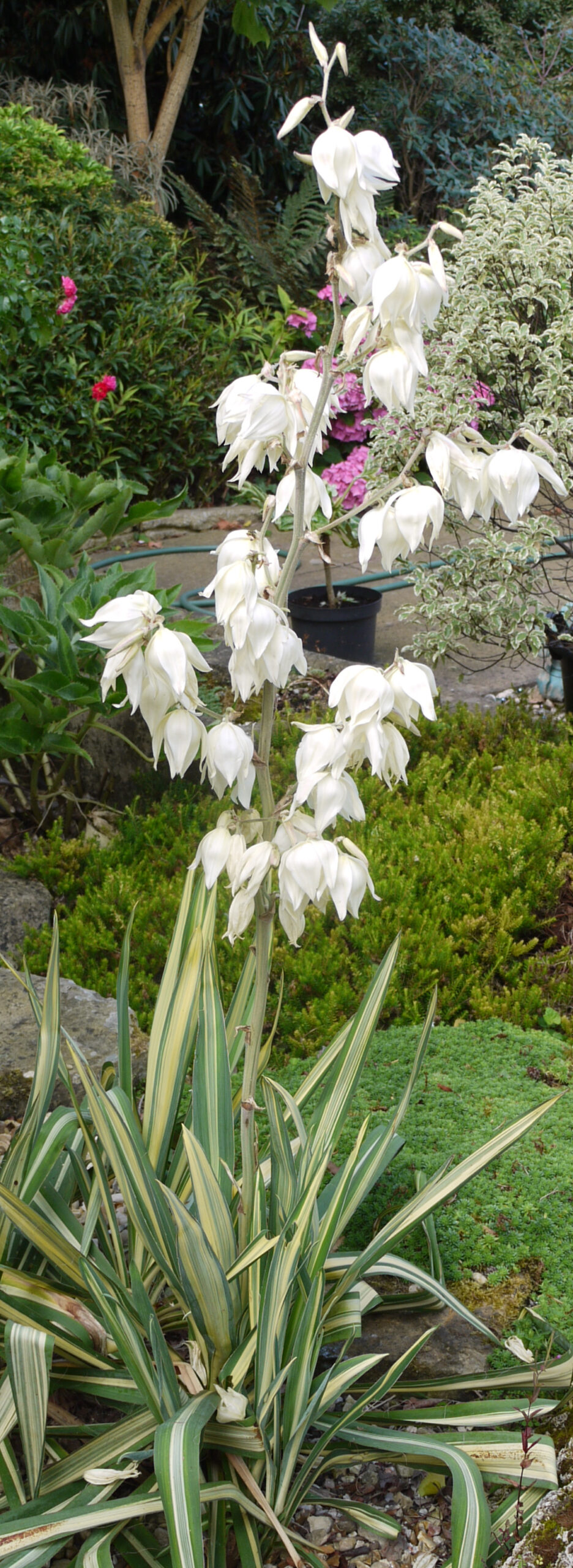 sword shaped leaves, but this year during July it has produced an almost 4 feet (1.2m) tall spire of pure white flowers. During late evening as the sun goes down I stand in my bedroom window and see its brilliant white spire against the background of darker foliage. In the 50 years that I have grown this Yucca I have never seen any seed being formed, no doubt this is due to the fact that being a native to Mexico there are no pollinating insects to pollinate the flowers.
During late August I pruned the tips out of my two container grown plums crossed with an apricot. These like all stone fruits should be pruned during August and no later than the first week in September. Older trees may need some of the older branches thinning out during late June, or early August as this will then give the trees sap time to congeal and seal the wounds against fungus, or disease infection.
This year I have had a superb crop of ‘Charlotte’ potatoes, but I must admit that my runner beans are being disappointing.
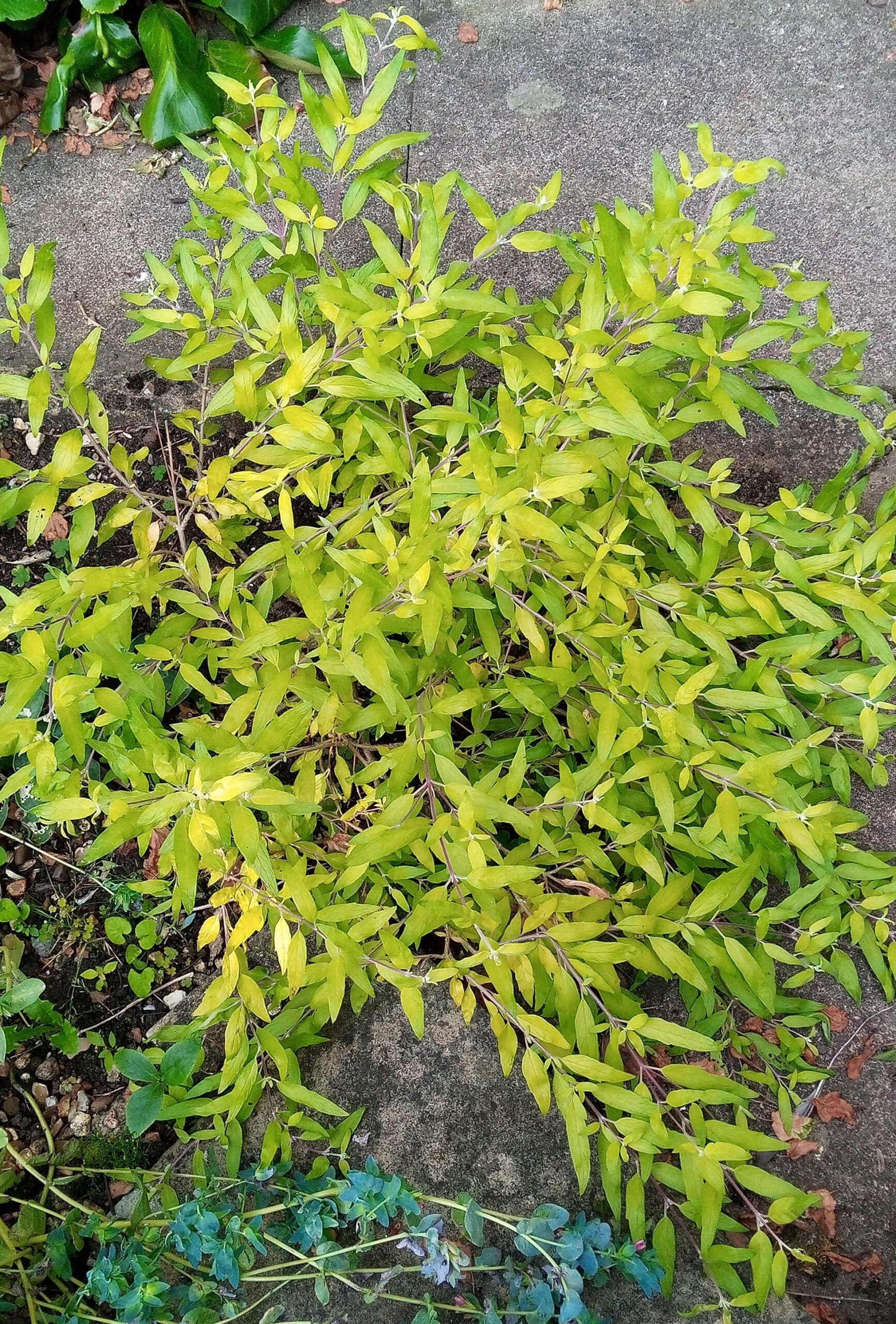 Two years ago I found a yellow leaf seedling of Caryopteris clandanensis and I mentioned this in my last year’s article. However, when meandering around my garden this has put on such a strong amount of growth that I thought it looked superior to all other golden leaf forms of other Caryopteris I have seen. So I thought what a good idea it would be to call it ‘Olympic Gold’ to commemorate the achievements of the team GB in the Olympics. Now it is a case of finding a nursery who would propagate this so that in the future people will remember the team GB’s achievements.